
Youth Art Month: What It Is and 10 Ways to Celebrate With Your Family
Updated: Oct 7
Youth Art Month sounds like one of those made-up "holidays" that gives your kids an excuse to go crazy in the art room, and string ribbons together into a hallway display. Here's the thing, It's bigger than that!
So let's learn about the origins of this amazing time of year, why this month matters to kids and education spaces nationwide. and how to get your kids involved, even form the comfort of your kitchen table..
What Is Youth Art Month?
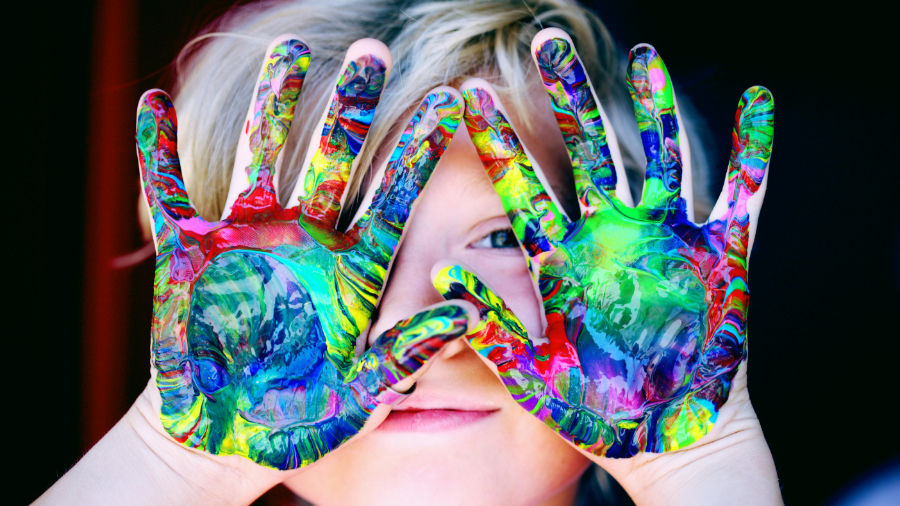
Youth Art Month is a national observance, held every March, that celebrates what children create and makes the case for art education in schools. The Council for Art Education (CFAE) leads it, and the National Art Education Association (NAEA) hosts the displays at its annual convention.
The program began in 1961 as Children's Art Month. It was renamed in 1969 so that middle and high school students were part of the celebration too.
The goals are simple. Schools and communities use March to show off student art, build support for strong art programs, and remind everyone what young artists learn from the visual arts: problem solving, observation, creativity, and communication. At Artkive, that speaks to what we believe. Celebrate creativity, and your child's story deserves to be told.
When Is Youth Art Month?
Youth Art Month is observed in March every year, so the next one runs from March 1 to March 31, 2027. Many schools, libraries, and museums hold their art shows and family events early in the month, and some start planning in February.
If you want to join in, a little prep in late February goes a long way. Pick two or three ideas from the list below, put them on the calendar, and set aside a spot for the art that comes out of them.
How Do Schools Celebrate Youth Art Month?
Most schools celebrate with student art exhibits and special projects in the art room, and many invite families to submit student artwork for displays at the local library or town hall. Some districts hold art walks, flag design contests, or community art days. Ask your child's art teacher what's planned, and whether the school needs volunteers or supplies.
10 Youth Art Month Ideas and Activities for Home
You don't need special supplies or a free weekend. Each of these art projects lists who it's best for and how long it takes, so you can fit one into a school night or save another for a Saturday.
1. Host a Kids' Painting Party at Home
Best for: All ages | Time: 2 to 3 hours
Cover a table, set out the brushes, and give everyone a canvas, grown-ups included. It can be a cozy family night or a get-together for your pre-teen and a few friends.

Pick a loose theme, like "the ocean," "our neighborhood," or "something that makes you happy."
Play music, put out snacks, and make it feel like a real event.
Hang the finished pieces together as a mini family gallery once they're dry.
2. Start a March Mayhem Drawing Challenge
Best for: All ages | Time: 5 to 15 minutes a day
Ask your kids to draw something every day in March. No rules, no pressure, only a daily habit of putting pencil to paper. Need a spark? These screen-free art prompts for kids make good daily starters.

Keep one sketchbook for the challenge.
Let them draw anything: lunch, the dog, a made-up creature, a dream.
On March 31, flip through the pages together and notice how much they've grown in 31 days.
3. Create a "Master Artist" Reproduction Project
Best for: Ages 6+ | Time: 1 to 2 hours
Pick a famous painting and ask your child to recreate it in their own style, using whatever supplies you have. If you need a starting point, these famous artists kids art projects walk through easy ones.

Browse well-known paintings together and let your child choose the one that speaks to them.
Skip the pressure to get it exact. Their interpretation is the point.
Display the original next to their version for a side-by-side.
For next-level inspiration, grab a "My Artist Box" from our friends at Kids Art Box. This series introduces kids to the works of Master Artists like Van Gogh, Gaudí, and Monet. The kits include all the supplies and guidance kids need to explore each artist's style firsthand.
4. Assemble Art Kits for Kids in Need
Best for: All ages | Time: 30 to 45 minutes
Build a custom art set and donate it to a local youth center, YMCA, or after-school program. You can also give one to a child in your life who would love a fresh set of supplies.

Go beyond crayons: watercolors, oil pastels, brush pens, air-dry clay, and collage materials all make good additions.
Tuck in a blank sketchbook with a handwritten note that says "fill every page."
For teens, add fine-liner pens, brush markers, or specialty paper that feels grown-up.
5. Visit a Local Art Museum or Gallery
Best for: All ages | Time: 2 to 3 hours
Many museums and galleries host special programming for kids and families in March. Check your local museum's calendar for March events, free admission days, or kids' workshops.

Ask your child what kind of art they're most excited to see, then hunt for it together.
Bring a small notebook so they can sketch whatever catches their eye.
Seeing real art in a real space is one of the best ways to spark a deeper interest in art.
6. Write and Illustrate a Family Storybook
Best for: All ages | Time: 1 to 2 hours
Combine storytelling and art in a project the whole family builds together. When it's done, you'll have a story worth keeping, and there are more ways to turn kids' art into a book if you want to make it last.

Let each person write or draw one page, or both.
Let the story go wherever it wants to go. The weirder, the better.
Bind the pages together and read it aloud.
7. Throw a Collaborative Mural Night
Best for: All ages | Time: 1 to 2 hours
Roll a long sheet of butcher paper across the floor or a wall and let everyone add to it. Teens and little kids both love this one.

Give each person a section to start, then rotate so everyone builds on each other's work.
Set a loose theme, or let it evolve.
When it's finished, sign and date it like a real mural, then find a wall for it. These ways to display kids' art can help.
8. Interview Your Kid About Their Art
Best for: All ages | Time: 15 to 30 minutes
This is the quietest idea on the list, and it might be the one you remember most. Kids often say surprising, thoughtful things about their art when someone asks.

Ask your child to walk you through a piece they made recently.
Try open questions: What were you thinking about when you made this? What's your favorite part? What would you change?
Record the conversation as audio or video on your phone. Those answers are worth saving next to the art itself.
9. Turn Their Drawings Into Wearable Art
Best for: Ages 5+ | Time: 1 to 2 hours, plus production time

Have your kids create an original drawing, a pattern, or even a personal logo. Then upload the design to a custom print shop to make t-shirts, socks, or tote bags.
Order a matching set for the whole family, and wear your own walking gallery on your next outing.
10. Make Art for a Cause
Best for: All ages | Time: 1 to 3 hours
Some of the most meaningful things kids make are the ones made for someone else. This March, point their creativity toward a project that gives back.

Design handmade postcards or bookmarks for residents at a local nursing home.
Make clay bowls for a community soup dinner that supports a local food bank.
Create handmade greeting cards for a children's hospital or any group that could use some cheer.
When kids make art for someone else, they learn what art can do for the world around them.

What to Do With the Art After March
By the end of the month, you'll have a stack of art projects, sketchbook pages, and mural scraps worth keeping. You don't have to choose between saving it all and living with the pile.
A keepsake book is one option, and a memory book made from their art becomes the thing they pull off the shelf on a rainy afternoon. Artkive photographs each piece professionally and prints your favorites in a keepsake book for kids' art that lives on your coffee table instead of in a cardboard box. If you're not ready for a book, these 30-minute steps to organize kids' artwork are a good place to start, and so is this guide on whether it's okay to throw away kids' artwork.
What Artkive Parents Say
Three parents who turned their kids' art into a memory book shared their experience with us. They received Artkive product in exchange for sharing their honest thoughts.
Shelley of Recollection Photos described the change this way:
"I loved everything [my daughter] made, but by keeping everything, I was actually enjoying nothing. It was all sitting in the dark, unorganized and unlooked at.... We went from a dusty bin in the closet to a curated archive we can actually flip through on the couch. We can see her little handprints evolve into complex sketches. It's no longer a burden of 'stuff' to be managed; it's a story to be told."
Rachael of Mama of Minis said:
"It is such an awesome way to store and view your child's artwork and minimize mess and clutter."
Kimberly of Homegrown Motherhood was thrilled by the outcome:
"The books came back amazing! The kids love it and I do too! With Artkive, you no longer have to balance stewardship with sentiment because it provides a practical solution.
Frequently Asked Questions About Youth Art Month
What is Youth Art Month?
Youth Art Month is a national observance held every March that celebrates children's art and supports art education in schools. It is led by the Council for Art Education and began in 1961.
When is Youth Art Month?
Youth Art Month is observed every March. The next one runs March 1 to March 31, 2027.
How do schools celebrate Youth Art Month?
Most schools celebrate with student art exhibits and special art room projects, and many invite families to submit student artwork for displays at libraries or community buildings. Some districts add art walks, flag design contests, or community art days.
What are some fun Youth Art Month activities for families?
Easy Youth Art Month ideas include a painting party, a daily drawing challenge, a famous-artist reproduction project, a family storybook, and a collaborative mural. All ten ideas above take from five minutes to three hours.
How can I preserve the artwork my kids make during Youth Art Month?
Photograph each piece and keep your favorites together in one place. You can do that yourself with a folder and a labeled box, or have Artkive photograph the art and print it in a keepsake book. A first book usually takes about 10 to 13 weeks from mailing your box to receiving the finished book, plus the time you spend reviewing your proof.
Who started Youth Art Month?
The Crayon, Water Color and Craft Institute started it in 1961 with the National Art Education Association. The Council for Art Education now leads the program.
Keep the Memories Without the Clutter
Your kids are going to make things worth keeping this month. When the month is over, Artkive can turn their art into a keepsake book you'll both want to page through for years. Happy Youth Art Month, and happy creating.

